
Build an approval‑ready credit profile
Understand what’s driving your credit decisions, identify items that may be unfair or inaccurate, and take a structured next step toward stronger approvals and better terms.
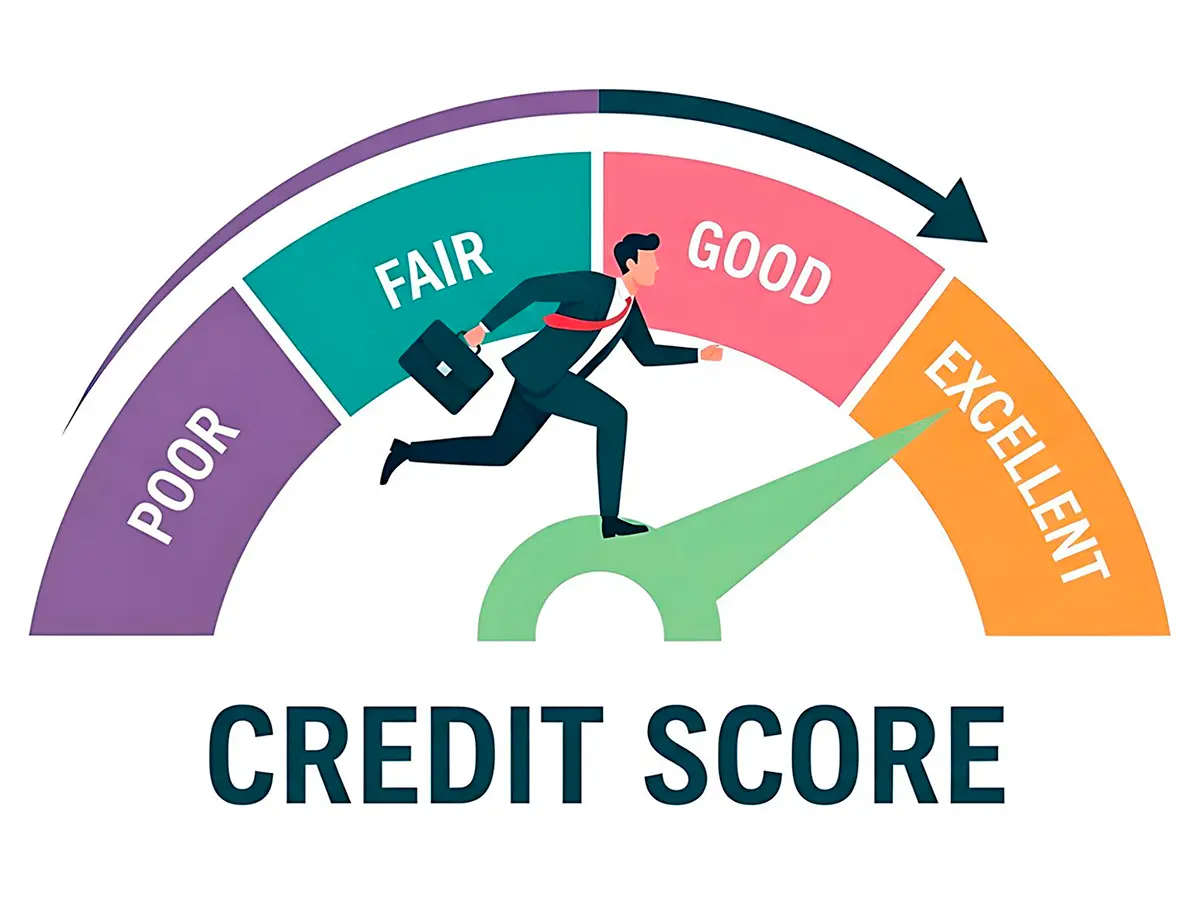
Built around established U.S. credit reporting practices and dispute procedures under the Fair Credit Reporting Act (FCRA). No unrealistic promises—just clarity, documentation, and structured credit improvement.
Unlock more options
Choose the outcome you care about. We’ll outline what improves it—and what to watch for—so you can move forward with confidence.
Your path to stronger credit
A stronger credit profile can mean better approval odds, improved loan terms, and more financial flexibility. Get a clear, no-fluff overview of what credit improvement can help you achieve — then take the next step when you're ready.
Credit decisions in the U.S. are typically influenced by payment history, utilization ratios, account age, recent inquiries, and the accuracy of reporting across major credit bureaus.
Even small inconsistencies can affect lending algorithms. A structured credit improvement approach focuses on verified data, responsible usage patterns, and consistent financial behavior.
*Results vary. This page does not guarantee outcomes.
How it works
A straightforward workflow used by reputable credit‑support programs: review, challenge what’s questionable, and build stronger habits while updates are processed.

Review your starting point
Clarify your goal and look at what’s currently affecting approvals and terms.

Identify what can be challenged
See what information is typically needed, what to expect next, and how the workflow usually looks.

Move forward
Continue to explore available options and take the next step toward better credit outcomes.
credit recovery services for timely financial clarity
Big decisions rarely need grand theatrics; they need clear timing. Credit recovery services exist to compress confusion into next steps, especially when signals - higher interest offers, denied applications, or a stubborn score - say the clock is already ticking.
What credit recovery services actually do
Think of them as process managers for your credit record and repayment plan. Not miracle workers, not magicians. They coordinate data, rights, and habits so the right items move first.
- Audit all three major credit reports and highlight verifiable inaccuracies.
- Prepare and submit disputes where data is incorrect or outdated, referencing applicable consumer rights.
- Sequence repayments for maximum score impact - balances, utilization, and age - without overcomplication.
- Validate debts and request documentation from collectors before you pay.
- Negotiate timelines and payment options you can actually keep.
- Set reminders and small automations that make the plan stick.
- Explain in plain language what can improve and what must simply age off.
Decision timing: now vs later
Act now if a major decision sits within the next six months: a lease, car financing, or a job that checks credit. If nothing big is pending, a 90-day sprint still pays off, because momentum compounds. Wait, a caveat: moving fast should never mean skipping accuracy. A quick start is good; a documented start is better.
A quick real-world moment
On a Tuesday evening, Maya opened a mobile portal from her service after receiving a collection notice. She uploaded the letter, and the system flagged a possible re-aged account. A specialist drafted a dispute - only after confirming details with her - and the collector corrected the date within thirty days. The balance still existed, but the timeline was accurate, her score stabilized, and she could plan without guessing.
How to keep it simple
- List your debts and minimums on one page; star anything in collections.
- Pull fresh reports and scores the same day to create a clean baseline.
- Choose an approach: do-it-yourself with templates, nonprofit counseling, or a paid service with clear terms.
- Define a 90-day target: one corrected item, one settled balance, and lower utilization.
- Automate payments for the handful of accounts that build history while you work the rest.
I said "choose fast." Small backtrack: choose deliberately fast - compare one nonprofit, one local counselor, and one tech-enabled firm. Three calls, one afternoon, decision by evening.
Costs, access, and red flags
Accessible doesn't mean vague. Look for transparent pricing, month-to-month options, and written explanations of what they will not do. No one can guarantee removal of accurate negative information; what they can offer is structure, documentation, and pacing.
- Avoid high upfront fees that outpace the first month of expected work.
- Skip anyone who pressures you to dispute everything indiscriminately.
- Walk away if they ask you to misstate facts or create new identities.
Your next small step
Pick the shortest path to clarity: one baseline report pull, one prioritized list, one conversation. Credit recovery services thrive on simplicity and accessibility; so do good outcomes. Start modestly, record each action, and let consistency - not urgency - carry you forward.
Pioneer Credit Recovery, Inc. provides services to government clients and consumers with expertise in customer service and debt recovery through leadership, ...
Our Services. Our credit repair services can quickly, legally, and effectively improve and correct credit reports. We follow the practical interpretation of ...
Credit Recovery Systems is a professional debt collection agency with years of experience in the industry. We pride ourselves on our ethical approach to debt ...
Frequently asked questions
A clear next step — without the guesswork
See what’s impacting approvals and what may deserve a closer look.
Understand how disputes are structured and what documentation matters.
Improve utilization, consistency, and long-term credit stability.
See what improving your credit could change
Take a structured next step based on your current profile — and decide with clarity.